In short
- Late January to March is peak season for tiger and rhino spotting.
- Local communities cut the 8-meter (26-foot) elephant grass during this time.
- October to March provides pleasant weather and clear skies.
In this article
Wildlife viewing in Chitwan National Park depends heavily on the seasons. The park is open all year, but vegetation height dictates what you can see. If your main goal is spotting a Royal Bengal tiger or a Greater One-Horned Rhinoceros, you need to visit when the grass is lowest.
Best time to visit Chitwan for tigers
Plan your trip between late January and March for the highest chance of spotting tigers.
During these months, the dense elephant grass is cut down. Without the 8-meter (26-foot) high grass blocking your view, predators like the Royal Bengal tiger are exposed.
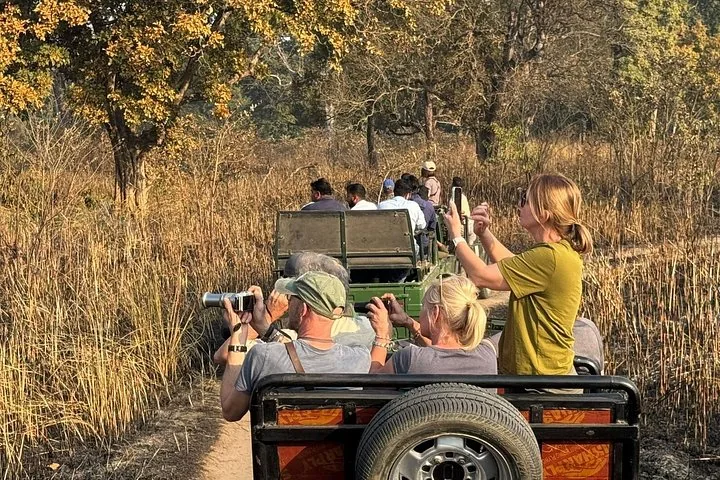
You can easily scan the Sal forest trails and grasslands on a jeep safari. The park has a growing population of over 100 tigers to track.
Why does the grass cutting season matter?
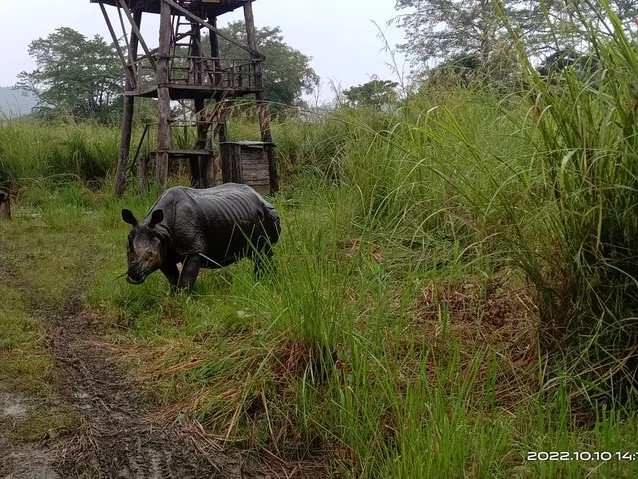
Chitwan's elephant grass acts as a giant camouflage screen for large mammals.
This grass grows up to 8 meters (26 feet) tall. It easily hides a fully grown rhinoceros or tiger from view. Between late January and March, local buffer zone communities harvest this grass.
The landscape opens up completely after the cut. This vastly improves visibility for tracking animals across the flat Terai lowlands.

Is October to December a good time for a safari?
Yes, October to December offers the most pleasant temperatures and clear skies.
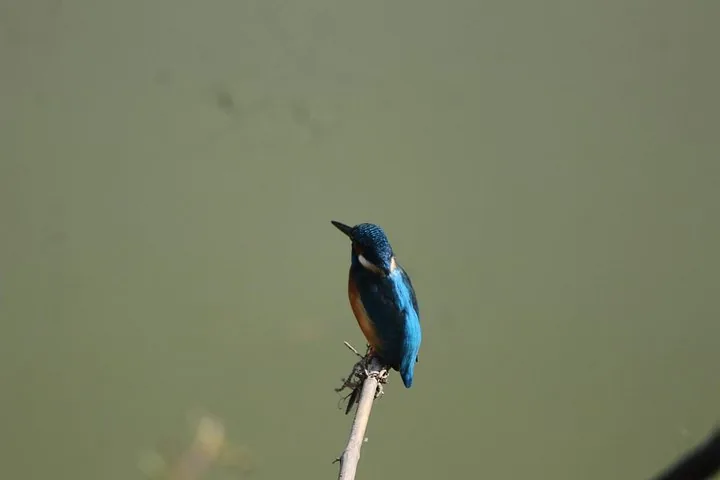
The jungle is lush and green during these months. Birdwatching is excellent, with 544 bird species living in the park. However, the elephant grass remains very tall.
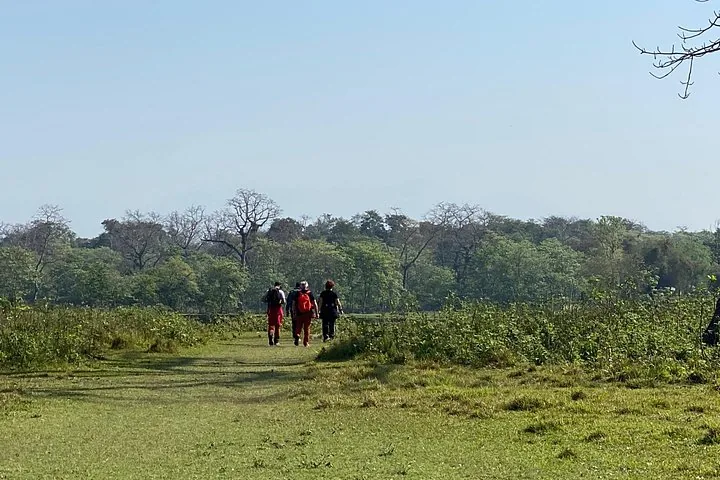
You will rely heavily on your guide to spot animals in the dense brush. Walking safaris require sharp ears to hear warning calls from deer and monkeys.
What is the weather like during the safari season?
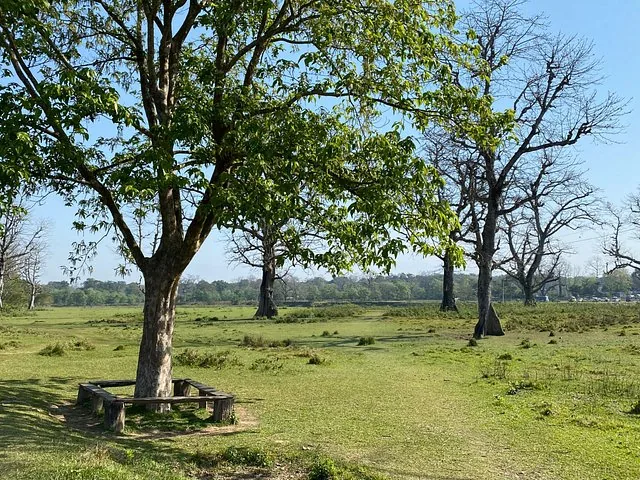
Winter mornings are often foggy and chilly, while afternoons are mild and clear.
If you visit between October and March, pack warm layers. Early morning jeep safaris can be very cold before the sun burns off the fog.
Bring a warm fleece or light jacket for these foggy winter days. By midday, temperatures become comfortable enough for a lightweight long-sleeved shirt.
When is the best time of day to see animals?
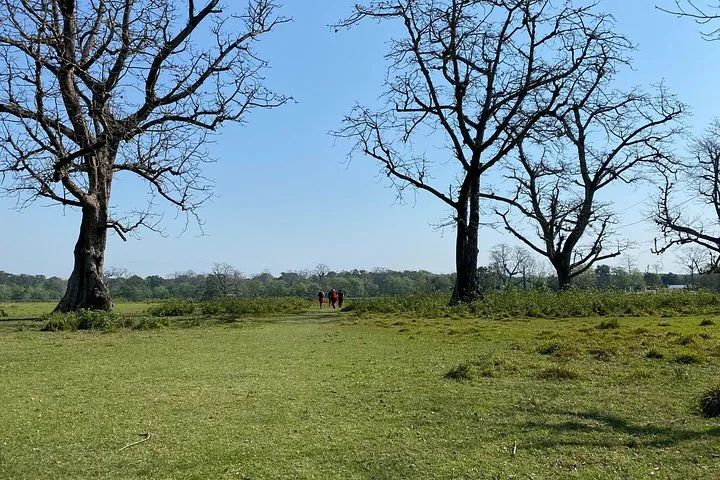
Early mornings and late afternoons provide the best opportunities to see active wildlife.
Animals often come to the Rapti River bank to drink at sunset. Dugout canoe safaris along the river offer excellent chances to spot endangered Gharial crocodiles.
You can also grab a drink at a riverside cafe in Sauraha. Watch the banks closely as elephants or rhinos often come down to bathe.
Is Chitwan National Park open all year?
Yes, the park is open year-round, but off-season visits are more challenging.
Heavy rains make the elephant grass grow to its maximum height. Tracking animals becomes difficult, and the weather is less predictable.
If you visit outside the October to March window, prepare for rain. Bring a dry bag or waterproof cover for electronics, especially during canoe rides.
Questions travellers ask
Can you see tigers in Chitwan National Park?
Yes. The park has a growing population of over 100 Royal Bengal tigers. Your best chance to spot them is between late January and March when the tall elephant grass is cut.
What should I wear for a winter safari?
Pack neutral-colored clothing like khaki, olive, or brown to blend in. Bring a warm fleece or light jacket for chilly early morning jeep safaris and foggy winter days.
How many days should I spend in Chitwan?
Most visitors book a 2 to 4-day trip. This allows enough time to experience a jeep safari, a canoe ride on the Rapti River, and a guided walking safari without rushing.